California Cardrooms Adjust to New State Rules on Blackjack and Dealer Operations

California's Office of Administrative Law gave final approval on February 6, 2026 to regulations proposed by the Department of Justice, and these measures prohibit standard blackjack-style games while setting tighter requirements for player-dealer rotations at the state's roughly 80 to 85 cardrooms. The rules take effect April 1, 2026, and they emerged after multiple public hearings along with more than 1,764 submitted comments that shaped the final language. Cardroom operators now face the task of reconfiguring table games that rely on bust mechanics or targets set at twenty-one, and the changes also bar third-party operators from maintaining control over dealer positions through infrequent rotation schedules.
Scope of the Approved Regulations
The adopted text covers features commonly found in blackjack variants played at cardrooms, and it eliminates options where players can bust or chase a specific twenty-one total in ways that mirror traditional house-banked formats. Observers note that the Department of Justice crafted the language to keep cardroom games distinct from those offered under tribal compacts, which remain untouched because existing agreements shield tribal casinos from these particular state-level restrictions. Those who reviewed the filings point out that the new player-dealer rules require more frequent rotations so that no outside company can hold a sustained role at any single table.
Public Input and Hearing Process
Staff at the Department of Justice compiled responses to every comment received during the review period, and the resulting document details how each concern influenced the final wording on both blackjack prohibitions and dealer rotation standards. People who followed the proceedings saw regulators balance operator feedback against the need for clear separation between cardroom formats and conventional casino banking. The process produced a single cohesive set of rules rather than piecemeal adjustments, which means cardrooms must implement all changes simultaneously when the April deadline arrives.
Operators have stated that revenue streams tied to popular blackjack-style offerings could decline sharply once the prohibited mechanics disappear from the floor. Industry representatives have also highlighted potential reductions in staffing levels because fewer tables may operate under the revised guidelines. Legal teams representing several cardrooms have already filed challenges that question whether the Department of Justice exceeded its authority when it defined which game features cross into prohibited territory.
Impact on Daily Operations
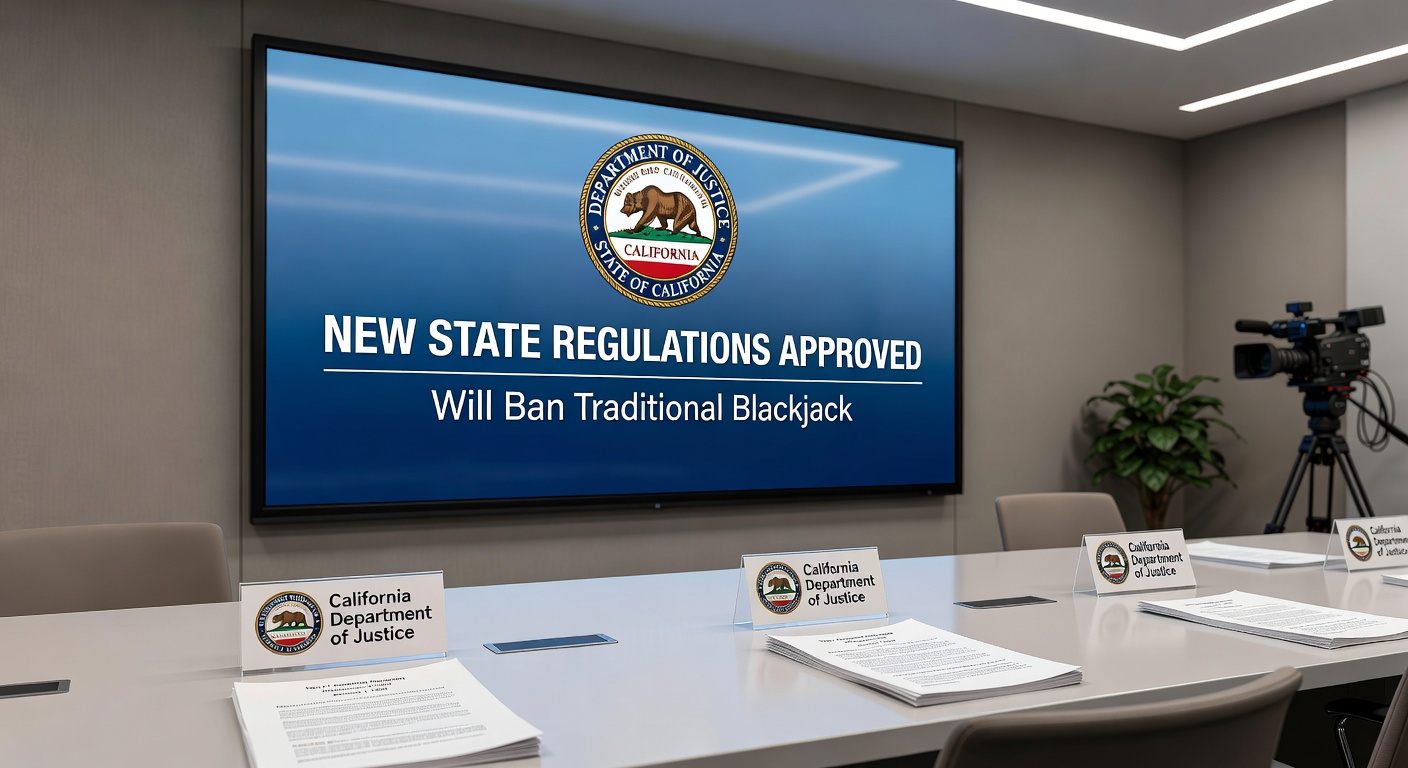
Cardroom managers are mapping out new table layouts that avoid the banned elements, and they continue to explore alternative game structures that still attract players while staying inside the approved boundaries. The requirement for regular dealer rotations adds another layer of scheduling complexity, since staff must cycle through positions at set intervals to prevent any third-party entity from exercising ongoing influence. Those responsible for compliance now track rotation logs more closely than before, and software updates help document each change in real time.
Figures from earlier industry reports indicate that blackjack-style games have accounted for a sizable share of cardroom income in recent years, and the sudden removal of certain mechanics forces a rapid shift toward other offerings. Some locations have begun testing modified versions that rely on different point totals or payout structures, and early player response will determine which adaptations gain traction once April 1 arrives. The legal challenges underway could alter the timeline if courts grant temporary stays, yet most operators are proceeding with contingency plans in case the regulations stand as written.
Distinction Between Cardrooms and Tribal Casinos
Tribal facilities operate under separate compacts that predate the new state rules, and those agreements preserve the ability to offer standard blackjack without the restrictions applied to cardrooms. This split creates two distinct regulatory environments within the same state, and players who visit both types of venues will notice different game selections after the April implementation date. Regulators have emphasized that the cardroom rules do not extend to tribal properties precisely because the compacts limit state oversight in those locations.
Supporters of the regulations argue that the changes close loopholes that previously allowed cardrooms to offer games too similar to house-banked blackjack. The official text of the adopted regulations includes detailed explanations for each prohibition along with summaries of how public comments shaped the outcome. Cardroom associations, meanwhile, continue to gather data on projected revenue shifts so they can present updated figures during ongoing court proceedings.
Preparing for the April Implementation Date
Training sessions for dealers and floor supervisors have already started at many locations, and these sessions focus on recognizing which game elements must be removed and how to enforce the new rotation intervals. Software vendors that supply table management systems are releasing patches that flag non-compliant configurations before they reach the floor. Observers expect the transition period to reveal which alternative games maintain steady play volumes and which ones require further tweaks after launch.
By the time May 2026 arrives, cardrooms will have several weeks of experience under the revised rules, and industry analysts will begin comparing pre- and post-April performance metrics. The legal challenges may still be working through the courts at that point, leaving some uncertainty about whether additional modifications will be required later in the year. Operators who have invested in new game development are watching early results closely to decide whether further adjustments make financial sense.
Conclusion
The February 6 approval marks a clear turning point for California's cardroom sector, and the April 1 effective date sets a firm deadline for compliance across all affected properties. With tribal casinos operating under different rules, the state now maintains two parallel systems for table games that serve overlapping customer bases. The combination of banned mechanics, stricter dealer rotation requirements, and pending litigation creates a dynamic environment where operators must adapt quickly while the courts consider the challenges that have already been filed.