Coordinating Live Event Wagers With Blackjack Switches to Optimize Resource Allocation Around Major Competition Dates

Coordinating live event wagers with blackjack switches requires careful timing around major competition dates because bankroll demands shift rapidly when tournaments intensify and table limits adjust. Observers note that bettors often move funds between sportsbooks and casino floors to capture favorable odds while maintaining enough reserves for variant changes such as switching from standard blackjack to double-deck or Spanish 21 formats that carry different house edges and payout structures.
Data from regulatory filings shows that activity spikes occur in the weeks leading up to championship events, and those patterns repeat across multiple jurisdictions. Players who track these cycles can reallocate portions of their capital at specific intervals, for instance moving 30 percent of available funds into live betting markets when pre-game lines tighten and simultaneously preparing to switch table games if a particular blackjack variant offers a temporary rules advantage.
Timing Switches Around Peak Competition Windows
Major competition dates create predictable pressure points where live odds fluctuate within minutes and blackjack tables experience increased traffic. Research indicates that operators respond by altering minimum bets adn introducing promotional variants, which in turn affects how resources get distributed. Bettors who monitor these adjustments often prepare contingency plans that include pre-set thresholds for moving money between accounts rather than reacting after lines have already moved.
One documented approach involves dividing a bankroll into segments designated for live wagers, table play, and a reserve buffer. When a competition enters its later stages, the live wager segment expands because in-play betting opportunities multiply, while the table segment contracts unless a blackjack variant shift creates a measurable edge through rule changes or deck penetration improvements. This segmentation becomes especially relevant in May 2026 when several venues, including Primm Valley Resort, restore live table offerings after extended absences, drawing additional traffic that influences both sports and casino floor dynamics simultaneously.
Resource Allocation Models Used by Experienced Bettors
Allocation models typically rely on historical data showing how wagering volume correlates with tournament schedules. Figures from industry reports reveal that accumulator builds accelerate during quarterfinal and semifinal rounds, prompting some participants to reduce table exposure temporarily and redirect capital toward parlay structures that align with live event outcomes. When the competition concludes or enters lulls, the process reverses and funds return to blackjack sessions where variant switches can be executed with less urgency.
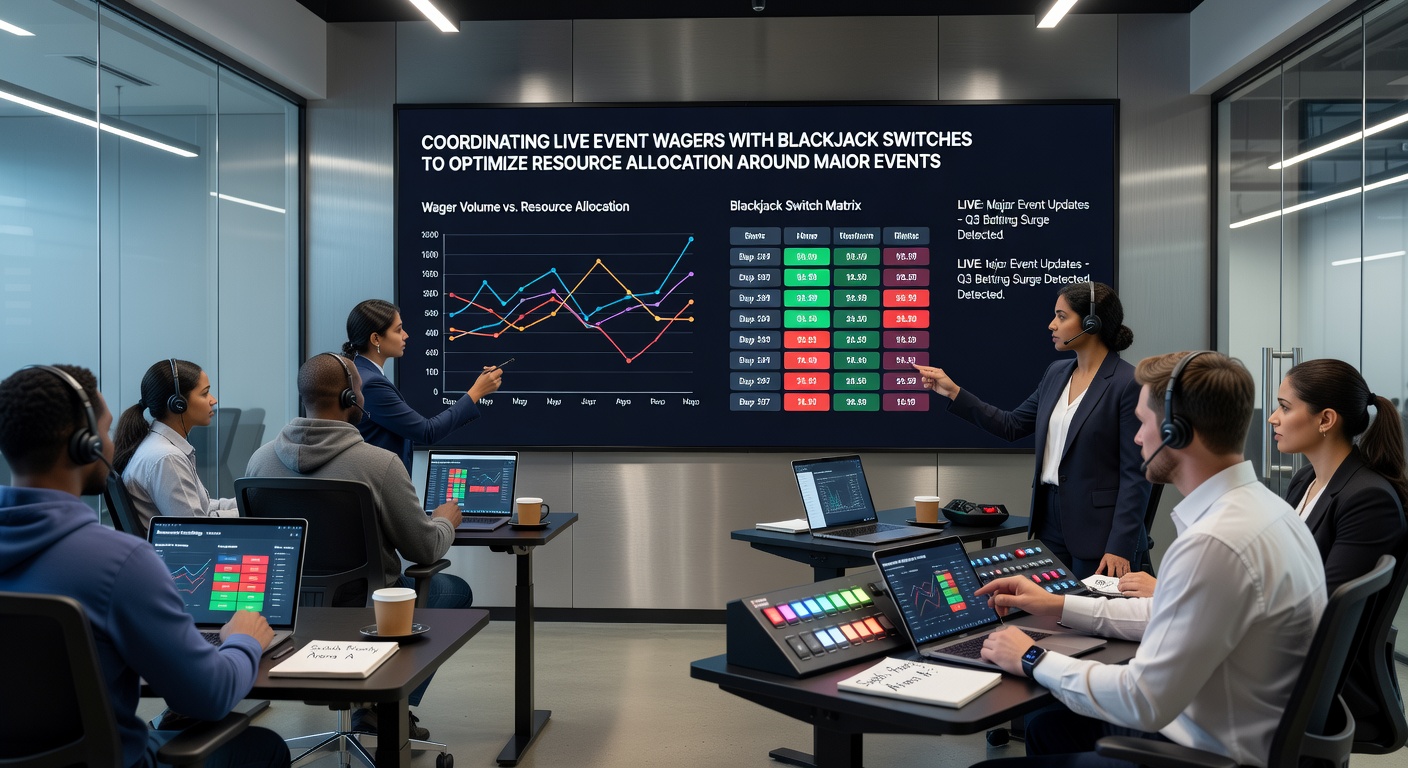
Those who study these patterns frequently apply percentage-based rules instead of fixed dollar amounts because percentages scale automatically with bankroll growth or contraction. A common framework allocates 40 percent to live event wagers during peak windows, 35 percent to blackjack play with planned variant switches, and the remaining 25 percent held as liquidity for sudden opportunities or rule adjustments. This structure allows quick transitions without liquidating positions at unfavorable moments.
Integration With Regulatory and Market Data
Regulatory bodies publish periodic updates that help inform allocation decisions. The Nevada Gaming Control Board releases monthly revenue reports that track both sports betting and table game performance, providing indicators of when competition-driven surges are likely to affect liquidity across venues. Similarly, analyses from the Victorian Commission for Gambling and Liquor Regulation in Australia examine cross-product player behavior, showing how participants shift between event wagering and table games during overlapping high-profile periods.
These datasets allow observers to identify windows where blackjack switches coincide with live betting opportunities, such as when a major tournament final overlaps with promotional table game hours. Bettors who cross-reference such information can schedule their moves in advance rather than competing for table seats or waiting for odds to stabilize after the fact.
Practical Examples From Recent Seasons
During one documented stretch surrounding a professional basketball conference finals series, participants who had pre-allocated segments for live second-half wagers were able to pivot into a double-deck blackjack variant that appeared mid-weekend with favorable penetration. The same group later reversed the allocation when the series concluded and table traffic increased, returning capital to live markets for ancillary events. Such sequences demonstrate how coordination reduces idle capital and maintains exposure across both product types.
Another instance occurred around international soccer tournaments where knockout stages created rapid odds shifts. Players adjusted blackjack exposure by switching to variants with side bet options that aligned with specific game outcomes, then rebalanced once the tournament bracket narrowed. These adjustments relied on pre-established rules rather than discretionary calls made under time pressure.
Conclusion
Coordinating live event wagers with blackjack switches around major competition dates rests on structured allocation, access to regulatory and market data, and awareness of venue-specific changes such as the return of table games at select properties in May 2026. Bettors who segment resources according to percentage frameworks and maintain flexibility for variant changes position themselves to respond to timing pressures without overextending any single area. The process continues to evolve as operators adjust offerings and data sources expand, yet the underlying principle remains consistent: planned movement between products during known peak periods supports sustained participation across both sports and table environments.