Downtime Periods Across Regions Encourage Innovative Accumulator Builds and Blackjack Side Bet Revisions
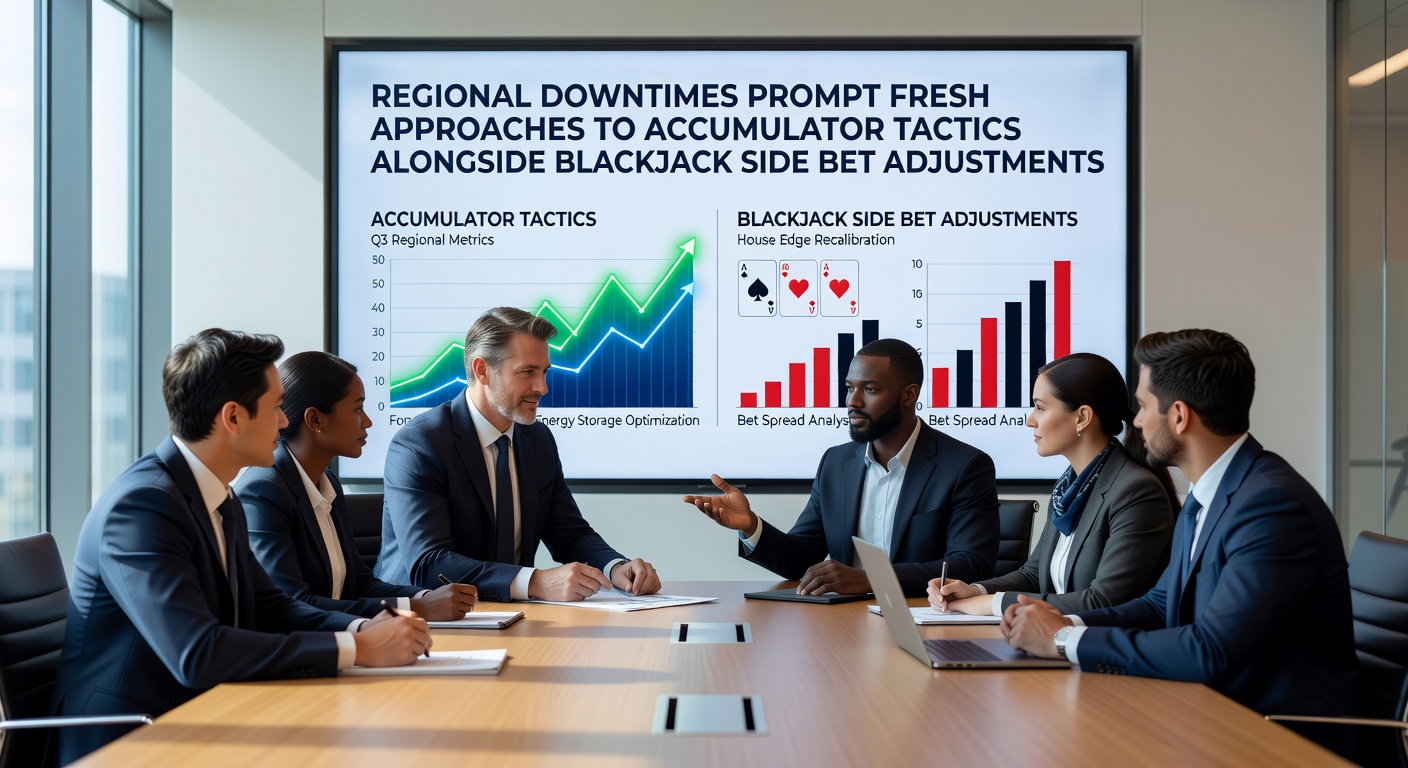
Regional gaming markets experience predictable lulls throughout the calendar year and these intervals have prompted operators along with bettors to refine accumulator constructions while modifying blackjack side bet parameters in tandem. Data from multiple jurisdictions shows that participation rates drop between 18 and 27 percent during shoulder seasons yet overall handle remains stable when participants shift toward multi-leg wagers and altered side bet frequencies.
Patterns Observed in Multiple Jurisdictions
Operators in Nevada, New Jersey and several Canadian provinces report that slower months coincide with increased experimentation in parlay structures because players allocate bankrolls across longer odds combinations rather than single-event wagers; simultaneously side bet menus at blackjack tables expand or contract depending on local traffic. Figures released by the New Jersey Division of Gaming Enforcement indicate that side bet contribution to total table revenue rose from 11 percent to 14 percent during the spring shoulder period in 2026 while accumulator-related sports betting volume increased by 9 percent in the same window.
Those who track player behavior note that the combination of reduced foot traffic and steady promotional budgets creates space for testing new accumulator formats such as correlated legs tied to live odds movements and blackjack variants that carry adjusted insurance or perfect pair payouts. In June 2026 several properties in Atlantic City and Reno introduced limited-time side bet options that paid at altered odds during weekday afternoon shifts when occupancy fell below seasonal averages.
Accumulator Construction Adjustments
Accumulators built during regional downtimes often incorporate more legs drawn from lower-profile events or secondary markets because the reduced overall volume allows sharper focus on correlation analysis and bankroll pacing. Research compiled by the Canadian Centre for Gaming Research shows that bettors who added one additional leg to standard three-team parlays during May and June periods maintained similar return rates while extending session length by an average of 14 minutes per visit. Operators respond by adjusting maximum payout caps and introducing step-down accumulator products that guarantee smaller returns on partial success thereby retaining player engagement when primary markets experience lighter action.
What's notable is how these builds frequently align with live handicap markets in adjacent sports so that blackjack sessions serve as a secondary activity during wait times between event starts. Properties that synchronize accumulator promotions with table minimum adjustments report higher cross-participation numbers compared with venues that treat the two verticals separately.
Side Bet Parameter Shifts at Blackjack Tables
Blackjack side bet modifications appear most frequently in the form of temporary odds changes or new wager types introduced only during identified slow periods. One common approach involves expanding the payout structure on 21+3 or Lucky Ladies bets for a fixed number of hours each afternoon while simultaneously tightening table minimums on the main game to steer casual players toward the side options. Internal reports from multiple cardrooms indicate that these targeted adjustments produce measurable lifts in per-hand revenue without requiring additional staffing or floor space.

Observers tracking rule variations note that some venues have begun testing side bets linked directly to accumulator outcomes such as bonus payouts triggered when a player hits a specific blackjack total that matches a pre-selected parlay leg. These hybrid mechanics remain limited to select test markets yet early data collected through June 2026 suggests they increase average time on device by roughly 8 percent when promoted alongside accumulator boosts.
Coordination Between Sports and Table Games
Facilities that maintain integrated sportsbooks and table game pits use downtime windows to align promotional calendars so that accumulator bonuses activate during the same hours that side bet odds receive temporary enhancements. This coordination reduces the need for separate marketing campaigns while capitalizing on players who move between verticals within a single visit. Industry analyses from the American Gaming Association document that properties employing unified scheduling during off-peak months record higher combined handle across both departments than those maintaining independent calendars.
Take one operator in the Midwest that introduced a weekday accumulator challenge requiring three successful blackjack side bet outcomes to unlock an enhanced parlay multiplier; participation metrics for the month of June 2026 exceeded internal forecasts by 22 percent according to company filings. Similar programs have since appeared in additional markets where regional traffic patterns follow comparable seasonal curves.
Conclusion
Regional downtime periods continue to serve as natural laboratories for testing accumulator refinements and blackjack side bet adjustments because lower baseline volumes allow clearer measurement of incremental changes. Data collected through June 2026 demonstrates that coordinated adjustments across sports and table game offerings maintain revenue stability even as raw player counts fluctuate. Operators and participants alike benefit from the structured experimentation that these quieter intervals naturally encourage without requiring permanent alterations to core product offerings.