Judge Pauses New California Cardroom Rules in Gaming Association Lawsuit

On May 21, 2026, San Francisco Superior Court Judge Richard Darwin issued a preliminary injunction that temporarily blocks the California Department of Justice and Bureau of Gambling Control from enforcing new regulations on traditional blackjack-style games and rotating player-dealer positions in non-tribal cardrooms, and the order applies directly to the consolidated cases California Gaming Association v. Bonta (Case Nos. CPF-26-519606, CPF-26-519609).
The 45-day pause stops implementation of rules that state officials approved in February 2026 and originally scheduled to take effect April 1, 2026, while a further hearing remains set for June 30, 2026, so parties on both sides can present additional arguments before the court decides whether to extend or lift the injunction.
Background on the Challenged Regulations
State regulators drafted the rules to draw clearer lines between games allowed in cardrooms and those classified as house-banked games that tribal casinos operate under compact agreements, and the text covers player-dealer rotation requirements along with restrictions on certain blackjack-style formats that cardroom operators have used for years. According to the adopted regulations posted by the Attorney General's office, the changes target sections in California Code of Regulations, title 11, §§ 2073-2077, which address how dealers and players interact during rounds.
Cardroom representatives filed suit shortly after the February approval, arguing the rules would force immediate operational changes across dozens of licensed locations and would reduce available game offerings that attract regular patrons.
Details of the Court Ruling
Judge Darwin's order grants the preliminary injunction after reviewing filings from the California Gaming Association and related plaintiffs, and the decision rests on findings that cardroom operators demonstrated a likelihood of irreparable harm if enforcement began before full litigation concluded. The court record shows the injunction covers enforcement actions tied to the specific regulatory sections on blackjack-style play and dealer position rotation, yet it leaves other unrelated gambling control provisions untouched.
State attorneys representing Attorney General Rob Bonta maintained that the regulations simply clarify existing statutory distinctions between permissible cardroom activities and prohibited house-banked formats, while cardroom counsel countered that the new language effectively bans long-standing game variations without sufficient legislative authorization.
Arguments Presented by Cardroom Operators
Plaintiffs submitted declarations estimating significant revenue declines and workforce reductions if the rules took effect, and they pointed to existing business models that rely on rotating player-dealer formats to keep games compliant with current law. Court filings indicate operators across multiple counties projected job losses in dealer, floor, and support positions once traditional table configurations became unavailable.
Those same documents reference prior regulatory interpretations that allowed the contested game structures, and the association claimed abrupt enforcement would disrupt contracts, supplier arrangements, and customer loyalty programs built around those offerings.
State's Position and Regulatory Intent
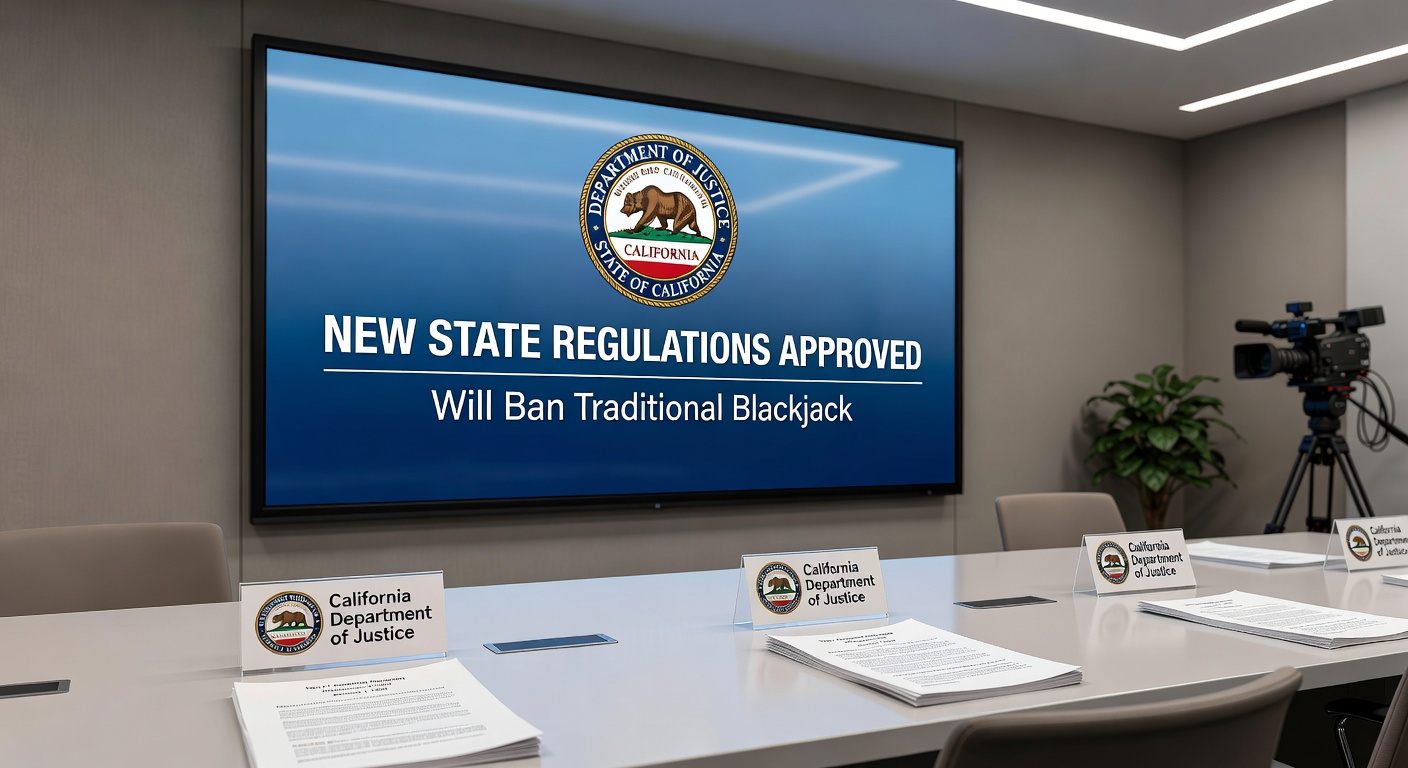
Representatives from the Department of Justice and Bureau of Gambling Control stated the regulations aim to align cardroom operations with voter-approved tribal compacts that reserve house-banked blackjack for casinos on sovereign land, and they argued the changes prevent unauthorized expansion of games that resemble casino banking models. The agency linked its regulatory text directly to the official text of adopted regulations available on the Attorney General's site.
During preliminary hearings, state counsel emphasized that the rules underwent public comment periods and formal adoption procedures before receiving final approval in February, and they maintained that cardrooms retain multiple compliant game options that do not trigger the new restrictions.
Next Steps in the Litigation
The June 30, 2026, hearing will determine whether the injunction continues while the underlying case proceeds toward trial or summary judgment motions, and both sides have indicated they will file additional briefs addressing the scope of harm and the likelihood of success on the merits. Observers note that any extension beyond the initial 45-day period could keep teh regulatory pause in place through summer months when cardrooms typically see steady foot traffic.
Meanwhile, the Bureau of Gambling Control continues other oversight functions unrelated to the enjoined provisions, so licensing, audits, and compliance checks in areas outside the challenged rules remain active.
Conclusion
The preliminary injunction creates a defined window during which cardroom operators may continue current game offerings without facing enforcement under the February 2026 regulations, and the outcome of the June 30 hearing will shape whether those operations face immediate adjustments or receive further temporary relief while litigation continues. The consolidated cases now move forward with the court record established through the injunction proceedings, and interested parties monitor developments as the legal process advances.