Timing Bankroll Moves Around International Sports Downtimes in Blackjack and Handicap Arenas
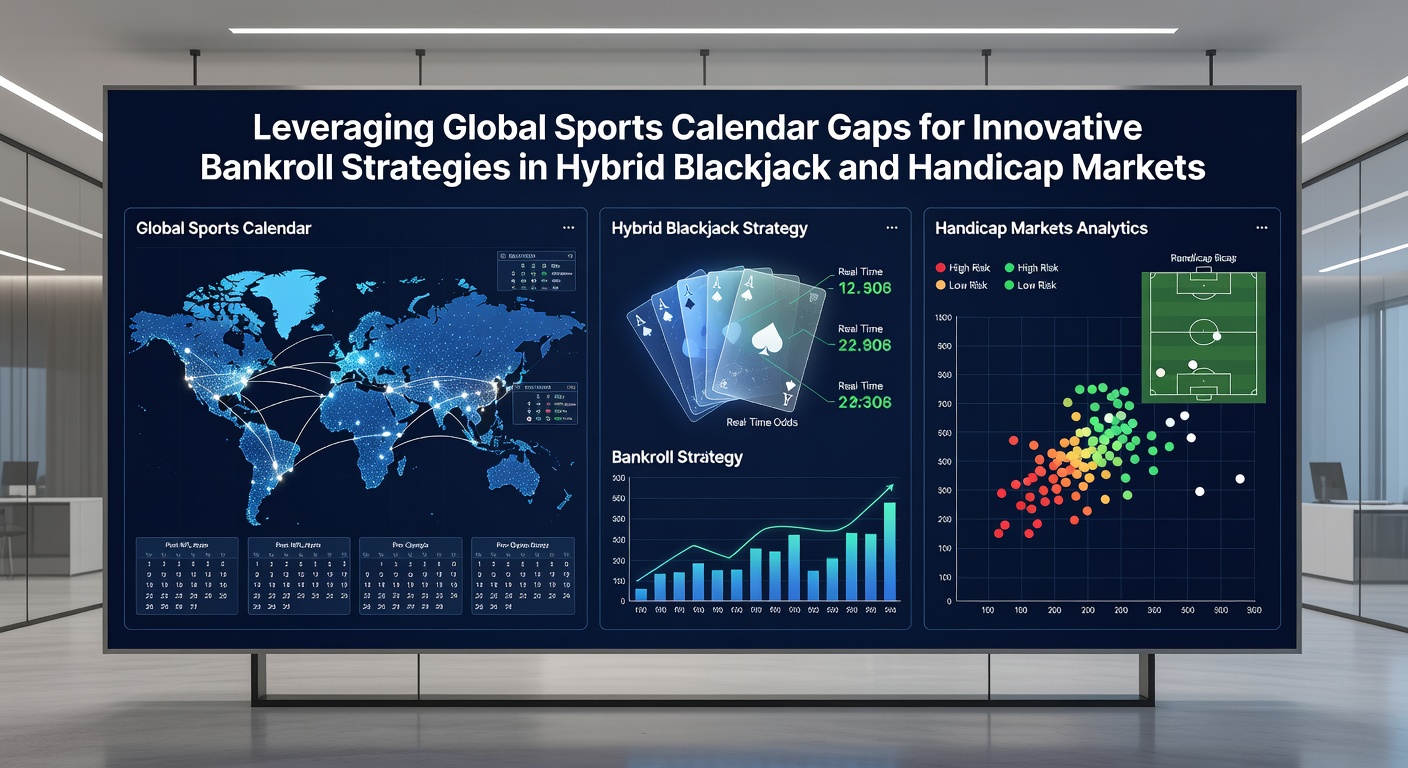
Global sports schedules create predictable lulls between major events, and these intervals allow participants to shift focus toward hybrid combinations of blackjack variants alongside handicap wagering, which in turn supports refined bankroll distribution across multiple platforms. Observers note that leagues such as the NBA, European soccer circuits, and Australian rules football each feature extended breaks, and data from regulatory filings indicate these pauses often span several weeks during late spring and early summer periods. In June 2026, for instance, the overlap between the conclusion of certain domestic seasons and the opening fixtures of the FIFA World Cup creates a distinct window where live betting volumes drop in select regions while table game activity remains steady at international venues.
Mapping Calendar Gaps Across Key Regions
Research from the Australian Institute of Criminology highlights how the southern hemisphere winter break aligns with northern hemisphere off-seasons, producing synchronized quiet periods that stretch from late May into mid-July in non-World Cup years, while 2026 alters this pattern slightly due to expanded tournament scheduling. Participants track these dates using publicly available league calendars, then allocate portions of their resources toward blackjack rule sets that feature side bet options or progressive jackpots during the same timeframe. This coordination avoids overexposure in any single market, because handicap lines in soccer and basketball tend to thin out when major clubs enter rest phases, whereas blackjack tables operate continuously at both land-based and online sites.
Integrating Blackjack Variants with Handicap Structures
Hybrid strategies emerge when operators offer simultaneous access to blackjack variants and live handicap markets, allowing users to alternate between table decisions and sports propositions within the same session. Figures from the Nevada Gaming Control Board reveal that table game hold percentages remain consistent even as sports handle fluctuates, which encourages those managing bankrolls to test progressive betting sequences on blackjack during low-volume sports windows. One documented approach involves scaling wager sizes on handicap accumulators only after securing smaller, consistent returns from blackjack side bets, thereby preserving capital for later tournament surges. Data indicates this sequencing reduces variance, since blackjack outcomes follow fixed probabilities independent of external event schedules.

Practical Allocation Methods During 2026 Lulls
Those who monitor international fixtures note that June 2026 features a compressed gap between the end of the UEFA Champions League and the start of World Cup group stages, prompting adjustments in how resources move between markets. A common method divides total bankroll into segments earmarked for European handicap lines once club seasons resume, while reserving separate portions for blackjack rule variations that include surrender options or multi-hand play. Industry reports show operators adjust promotional structures around these dates, offering enhanced table limits that coincide with reduced sports liquidity, which in turn supports more measured progression systems. Observers have recorded instances where participants rebalance every 48 to 72 hours, moving percentages based on realized results rather than fixed calendars alone.
Regional Variations and Data Patterns
Canadian provincial data released through the Alcohol and Gaming Commission of Ontario demonstrates similar patterns in hockey-related betting volumes, with noticeable declines between playoff conclusions and international tournaments. These intervals coincide with increased interest in blackjack tournaments hosted at resort properties, creating opportunities to apply bankroll techniques that blend table game discipline with occasional handicap wagers on lower-profile events such as summer leagues or exhibition matches. Researchers at Monash University have examined transaction logs that confirm steadier session lengths during these gaps, because participants encounter fewer overlapping live markets and therefore maintain clearer separation between blackjack cycles and sports selections.
Conclusion
Calendar gaps supply measurable intervals for adjusting exposure across blackjack variants and handicap markets, and available statistics from multiple jurisdictions confirm that structured reallocation during these periods correlates with sustained participation rates. By aligning bankroll segments with documented league breaks, including those surrounding June 2026 events, participants maintain flexibility without concentrating activity in any single product category. Ongoing tracking of fixture lists and regulatory filings continues to refine these approaches as schedules evolve year to year.