Tracking Side Bet Choices Against Live Handicap Markets in Regional Off-Season Periods
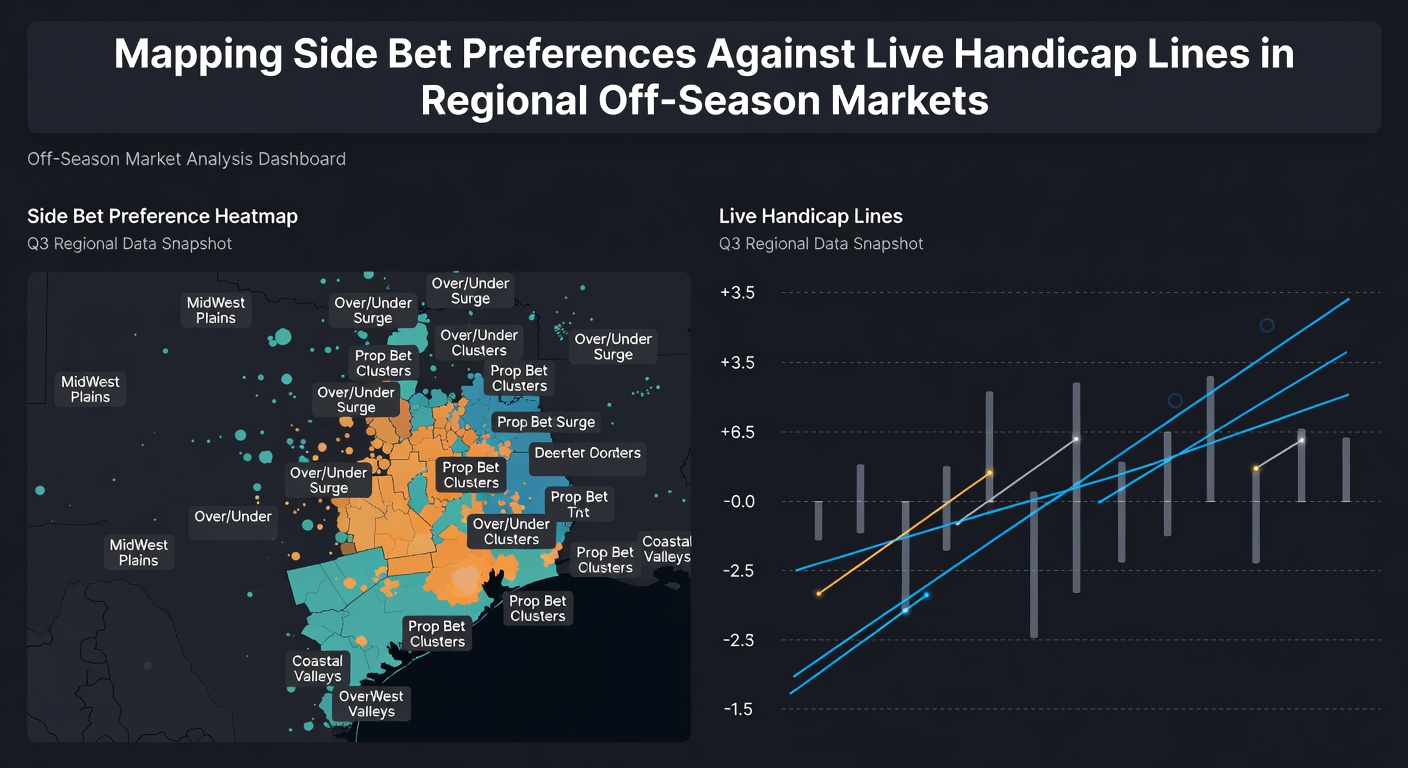
Regional gaming markets show distinct patterns when bettors map side bet preferences against live handicap lines during off-season windows, and data from multiple jurisdictions indicates these trends shift based on local event calendars and liquidity levels. Observers note that off-season periods often feature reduced mainline action, which pushes volume toward secondary options such as player props, over-under variants, and specialized side wagers that align with remaining available events.
Studies compiled by industry researchers reveal consistent clustering around certain side bet types when handicap lines remain active in lower-profile leagues or international fixtures. In markets across North America and parts of Europe, figures show increased allocation to these alternatives once major league schedules enter extended breaks, with regional operators adjusting limits and odds accordingly to maintain engagement.
Regional Variations in Market Behavior
Operators in different areas handle these mappings differently because local regulations and customer bases dictate available products. Data from the Alcohol and Gaming Commission of Ontario indicates that Ontario sportsbooks recorded measurable upticks in side bet activity during the 2025-2026 NHL and NBA off-seasons, particularly when handicap lines on secondary soccer and tennis events stayed live. Bettors in those regions gravitated toward combination wagers that paired modest handicap exposure with targeted player statistics rather than straight spread bets.
Similar patterns appear in Australian state markets where seasonal breaks in rugby and cricket prompt shifts toward side bet structures. Reports from state regulatory bodies show that operators there maintain handicap lines on international fixtures while side bet menus expand to include performance metrics that appeal to remaining active bettors. These adjustments occur because overall handle declines, yet per-user engagement on niche options holds steady or grows.
Data Patterns Observed in 2026
By May 2026 several regional platforms had already released preliminary summaries covering the preceding off-season cycle. Those summaries highlight that side bet volume represented a larger share of total handle compared with peak-season periods, especially in markets where live handicap lines persisted on lower-stakes events. Analysts tracking these movements point to liquidity differences as a primary driver, noting that thinner markets encourage bettors to diversify across multiple smaller propositions instead of concentrating on single handicap selections.
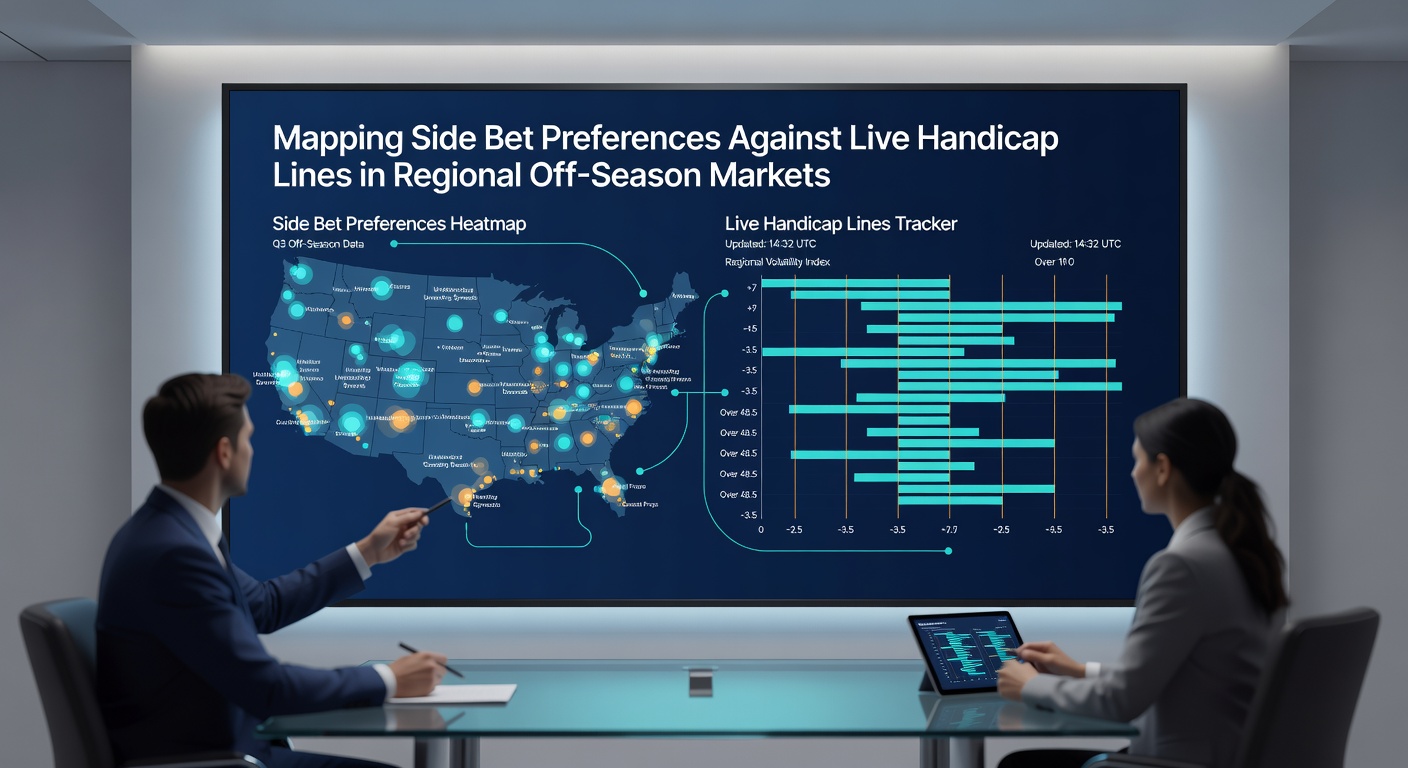
One study released by an academic research group examined transaction logs from several mid-sized operators and found that certain side bet categories, such as first-half margins and individual team totals, correlated more strongly with live handicap movement than others. The correlation strengthened during months when major domestic leagues paused, suggesting bettors use handicap line updates as signals for timing their side selections. This relationship appeared across multiple regions rather than remaining isolated to any single jurisdiction.
Operational Adjustments by Regional Providers
Providers respond to these mapped preferences by refining their offering menus and risk parameters. In practice this means tightening or widening handicap lines on select events while simultaneously promoting side bet bundles that complement those lines. Industry reports indicate that such synchronized adjustments help stabilize revenue streams when primary event calendars thin out, and several operators have implemented automated tools that flag emerging correlations between the two bet types.
Those who have examined multi-year datasets note that markets with stronger integration between side bet interfaces and live handicap feeds tend to retain higher percentages of off-season activity. The mechanism involves real-time updates that allow bettors to adjust side selections quickly when handicap lines shift, creating a feedback loop that keeps engagement elevated even outside peak periods.
Conclusion
Regional off-season markets continue to demonstrate measurable relationships between side bet preferences and live handicap lines, with data from regulatory and academic sources confirming consistent patterns across jurisdictions. Operators that monitor these mappings and adjust product availability accordingly maintain steadier transaction volumes during slower calendar stretches. The trends observed through May 2026 align with earlier cycles, indicating that the underlying dynamics remain stable even as individual market conditions evolve.